





Two people discussing data sheets with a laptop and calculator

Fortnox Integration

We connect Fortnox to the other systems your business uses, such as a webshop, an order system, a CRM or your own tools.

What a Fortnox Integration Is

An integration connects Fortnox to another system through Fortnox's API, so customers, orders, invoices and payments move between them without anyone typing them in twice. It runs on its own around the clock, so the books are up to date without anyone exporting or importing files.
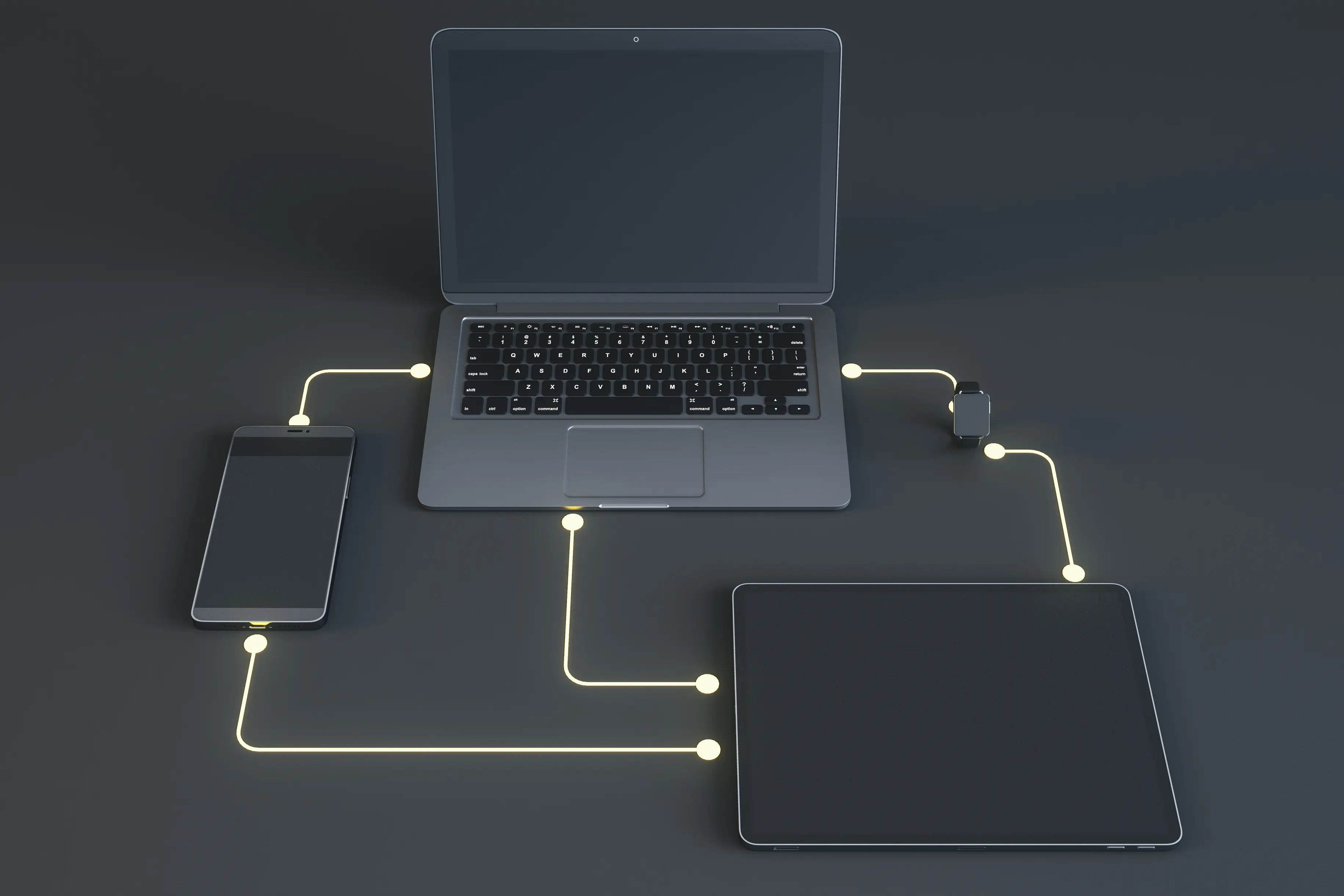

Wireless data exchange between devices

Ready-Made or Custom

Fortnox's marketplace has ready-made integrations for many common systems, and when one does what you need, we tell you. When none fits your systems or your way of working, we build one.

Laptop with a bright data dashboard

What It Costs

The price depends on which systems are involved and what has to be moved or calculated. You get a fixed price before we start. Fortnox bills its own integration licence separately.

How It Works

We start with the systems Fortnox has to work with and what your team types in by hand today. From there it takes three steps to an integration that runs by itself.

1
People watching a data sheet on an iPad

We Go Through Your Systems

We look at what is typed into Fortnox by hand today and where it comes from, and check whether a ready-made integration already covers it.

2
Monitors and headset showing code, close-up in a data center

We Build and Test It

We build the integration, test it with you and run it on servers we manage in the EU.

3
Dual monitors showing code, angled left view in a data center

We Watch It

Monitoring and error alerts catch a failed transfer before it shows up in your books.

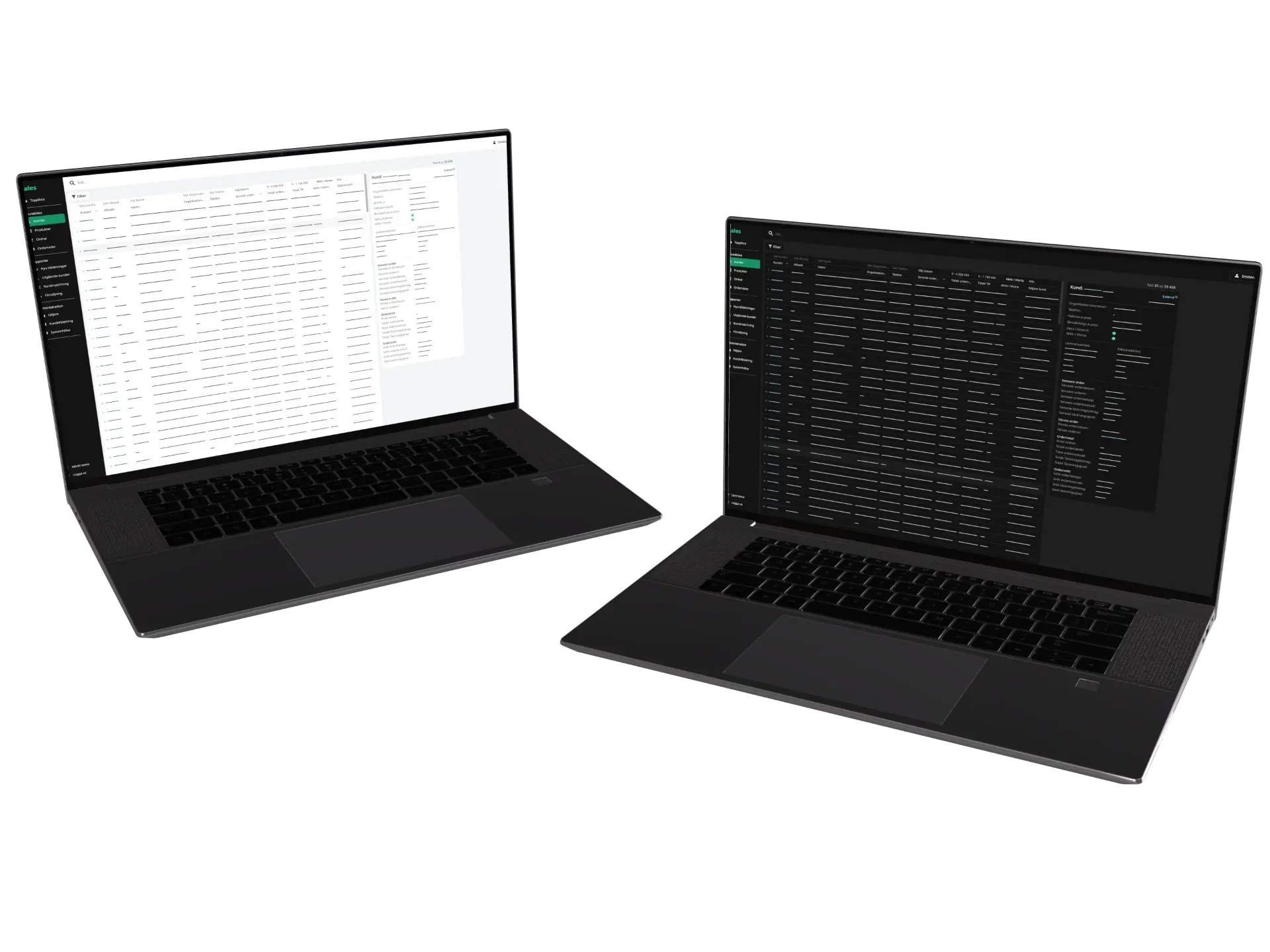
A Fortnox integration of ours is in use today in a sales tool, where it reads invoices from Fortnox and shows them beside orders from Extend Commerce.

Connecting Fortnox?

Tell us which systems Fortnox should work with, and we'll tell you whether a ready-made integration does it or what a custom one costs.