


Business Automation
Repetitive work, scheduled reports, and data shuffles handled by software so your team can move on to the work that needs them. We start by mapping what your week looks like, then automate the parts that drain it.

Scheduled Reports and Data Sync
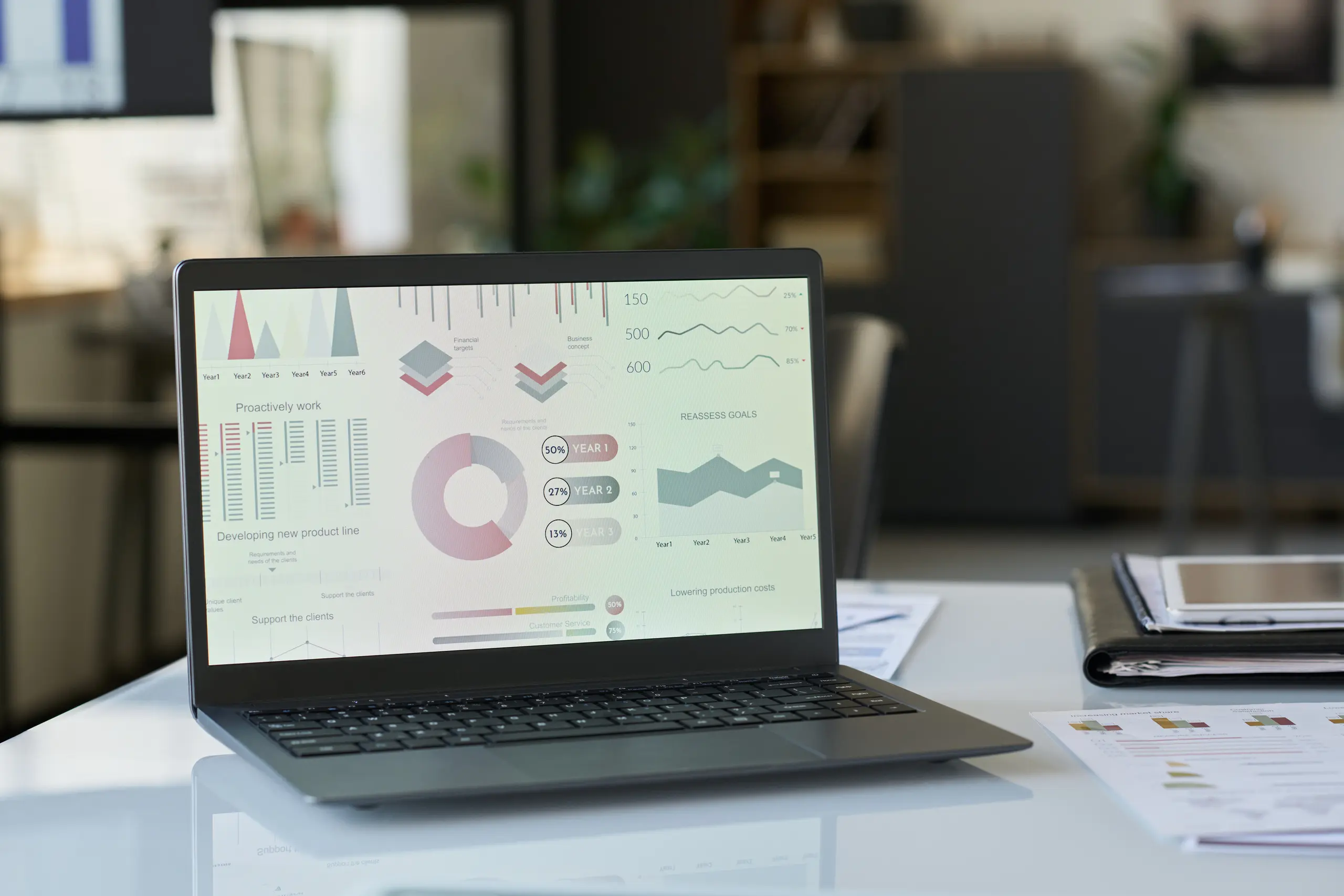
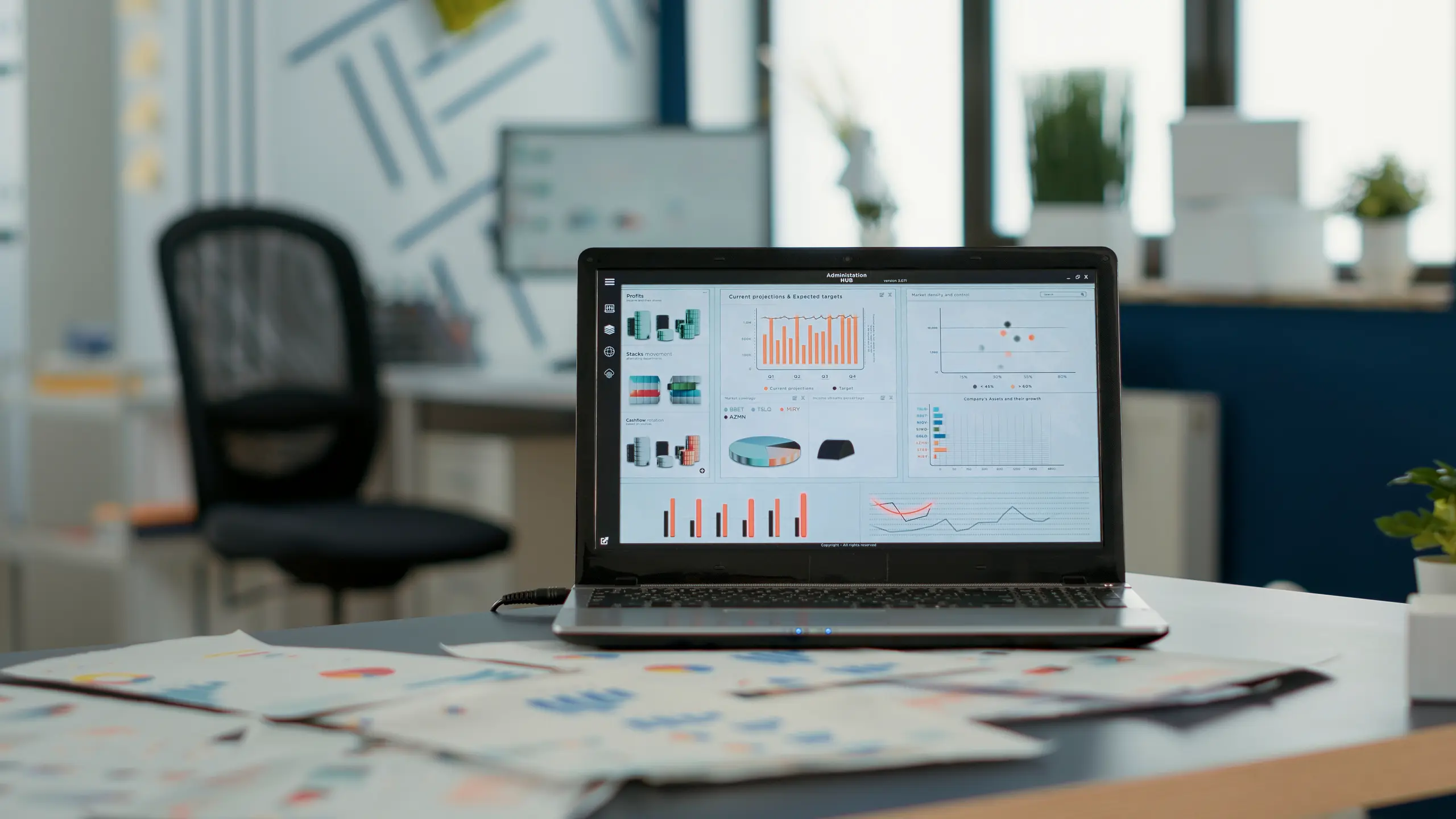
Data pulled from one or more systems and delivered automatically on a fixed schedule. No manual exports and no copy-paste between tools. The right numbers reach the right person at the right time.
Event-Driven Flows
Actions triggered automatically the moment something happens in your systems. A new order, a status change, or a form submission can fire off notifications, document generation, and follow-up updates without anyone having to remember.
From Walk-Through to Working Automation
Three steps that start with the work your team does day to day.

We Look at Your Current Tools
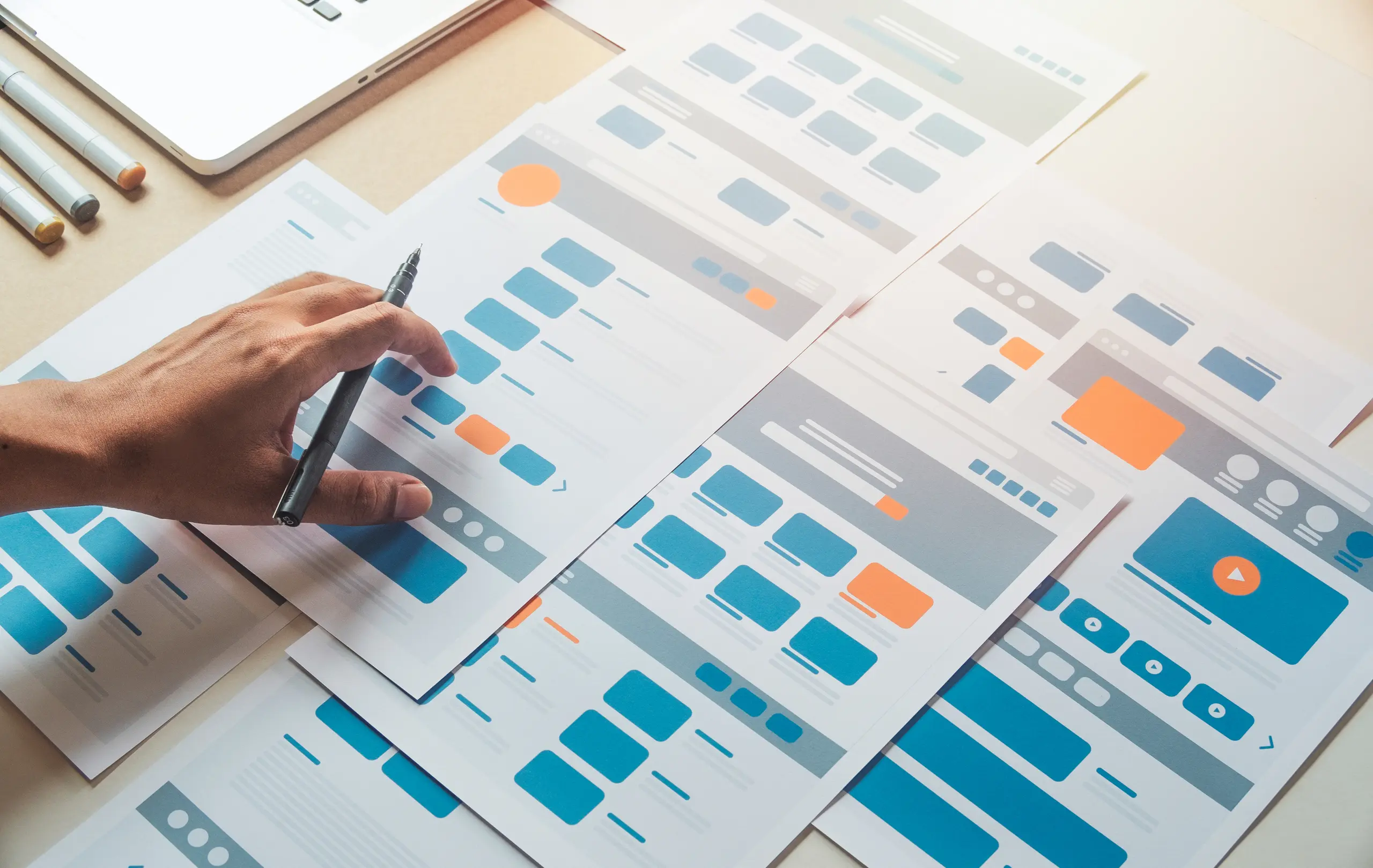
A walk-through of the spreadsheets, systems, and manual steps that take time today. We make sure we understand how your team works before suggesting anything, because the biggest time sink is rarely the obvious one.
We Build It on Our Infrastructure
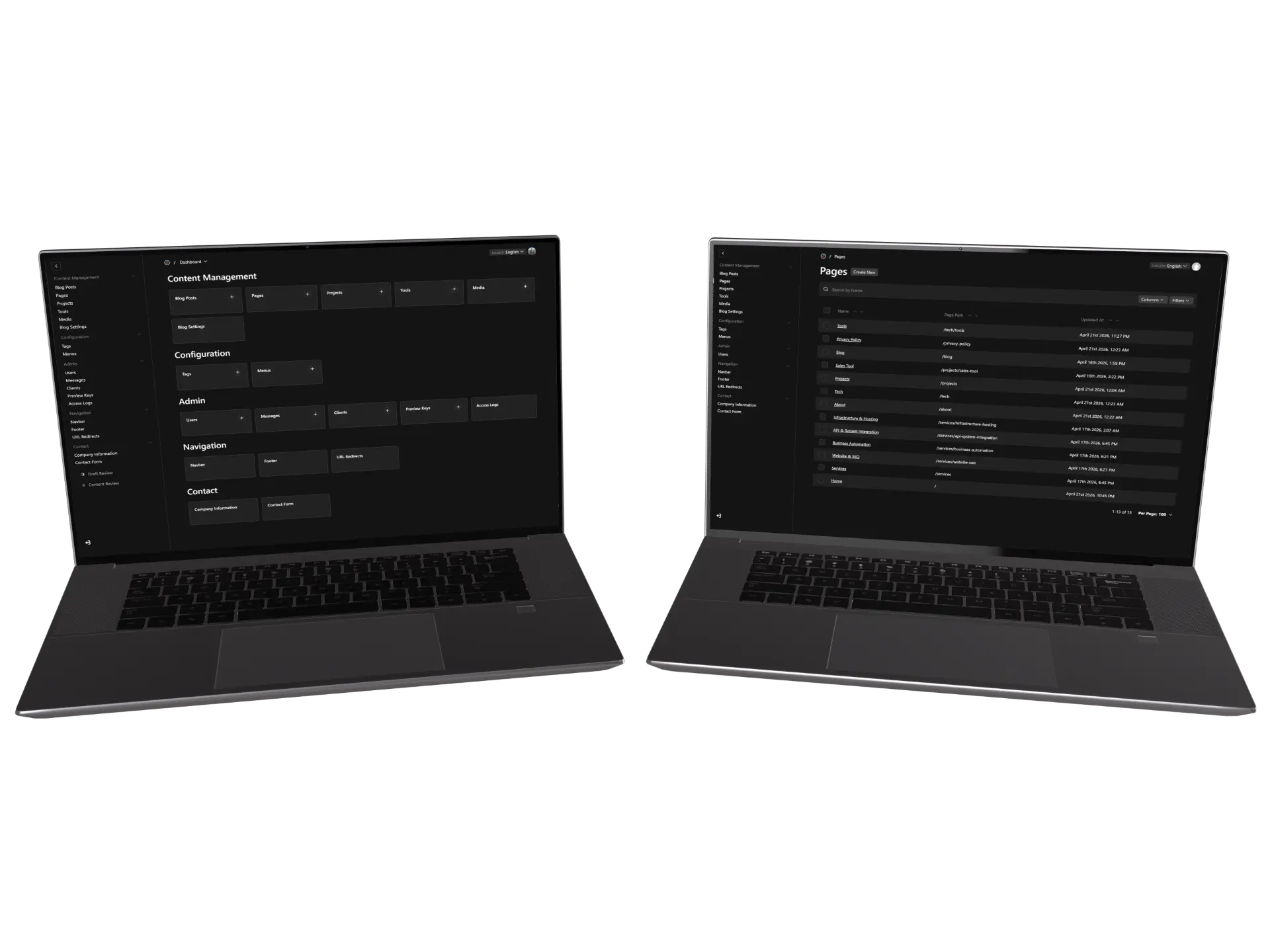
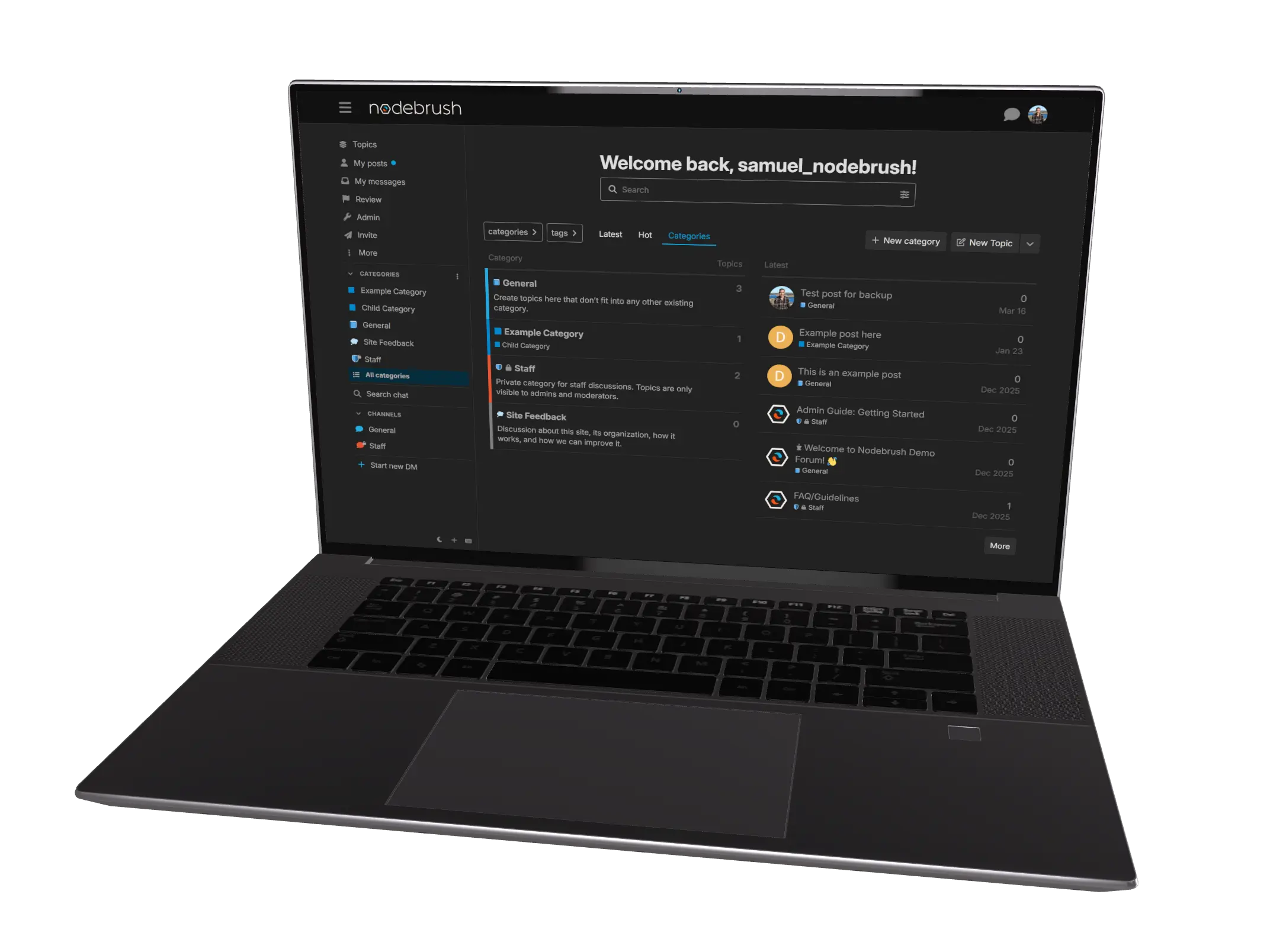
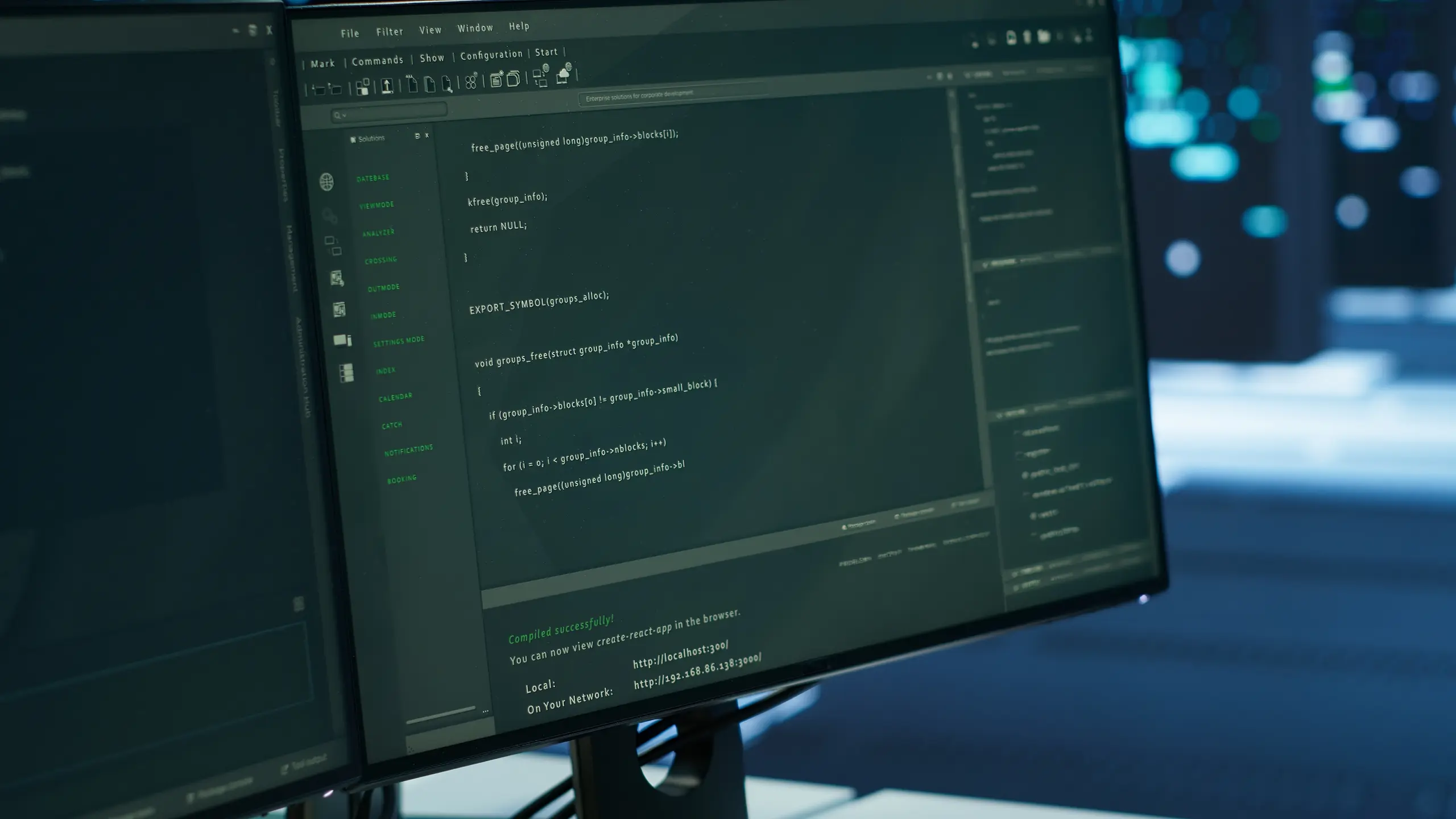
The automation gets built and deployed on servers we manage. A small interface usually comes with it so you can see what ran, what failed, and what is coming next, without anyone needing to read logs.

We Keep Refining
Real work in production reveals edge cases the first version did not cover. We stay involved after launch to handle what needs adjusting and to extend the automation as new needs come up.
One automation often reveals others. Most clients start with one thing and grow from there.
Simple by Design
We map the manual process first, then build something reliable that handles it. Whether the right tool is a scheduled script, a webhook handler, or a multi-step workflow, the approach is the same. Build something simple, readable, and easy to maintain. Automation nobody can debug when something breaks is worse than no automation at all.